From silos to speed: How Plaid unified product and brand design in Figma
From silos to speed: How Plaid unified product and brand design in Figma
Plaid pioneered open banking in the U.S., allowing people to securely connect their financial accounts to the apps they use every day. If you’ve sent money on Venmo, bought crypto on Coinbase, or checked investments on Robinhood, Plaid helped make it happen.
Their mission is ambitious: Unlock financial freedom for everyone. Plaid does this with a platform that supports over 12,000 financial institutions and powers over 8,000 digital financial services, making it easy for people to securely connect their accounts to their fintech services. Operating in a highly regulated space, Plaid takes pride in moving fast while maintaining the trust and security that financial innovation demands.

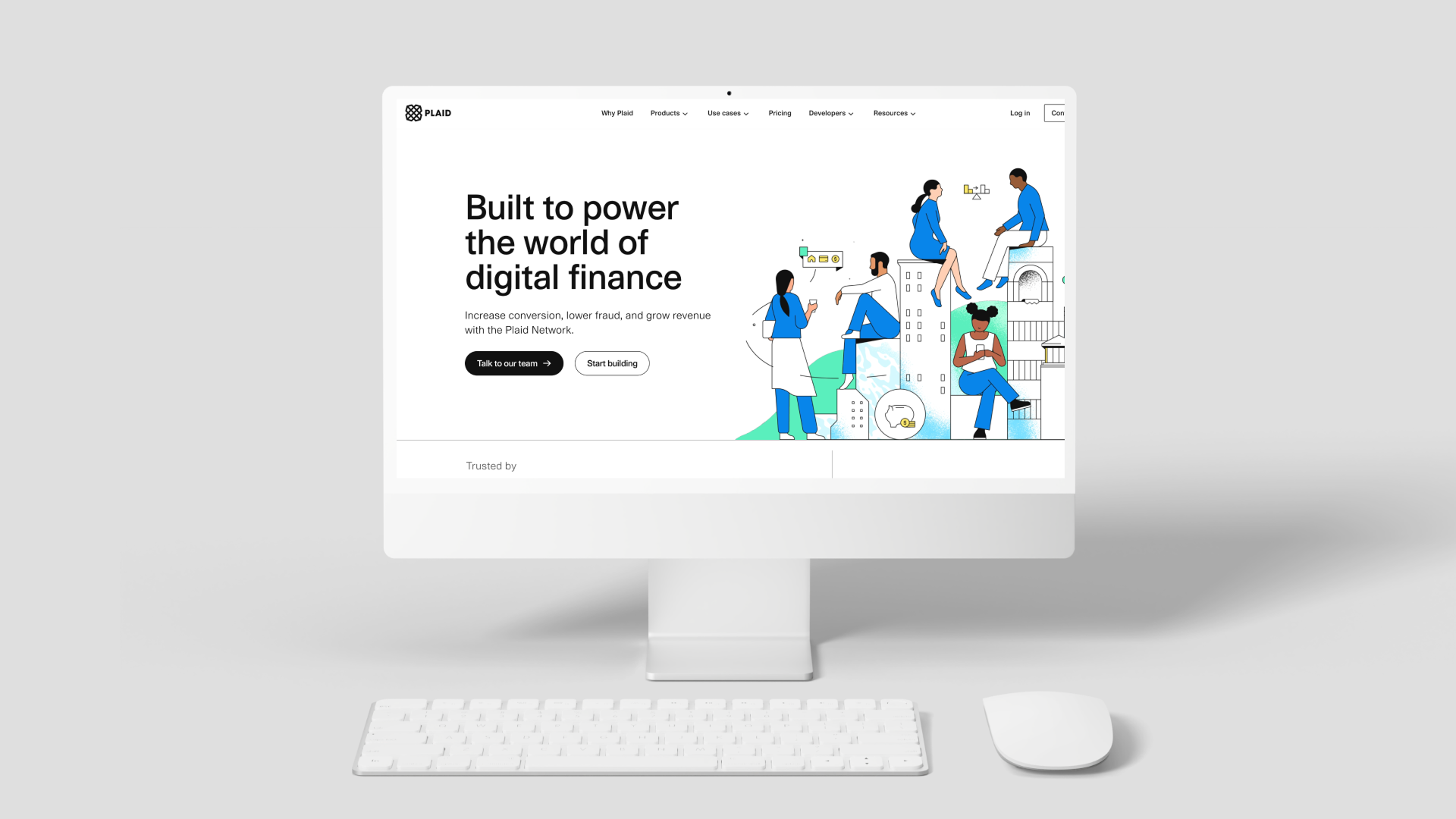
Plaid needed to dial in their design system to create more consistent, scalable designs across a growing and increasingly complex product ecosystem. The rebrand created the right moment to step back and refine that foundation. Figma Enterprise gave product, brand, and design systems teams a shared space for cross-functional collaboration.
Having a shared space where we can all share ideas together is so important. Figma has allowed that to be really easy and really possible.
— Chris Warner, Creative Lead, Plaid
Challenge: Fragmented visual language across new products
Plaid’s growth brought new products and one big challenge: staying visually cohesive. Work was spread across design platforms, prototyping software, documents, and whiteboards, with each holding a different part of the process.
For the brand team, maintaining creative flow was even harder. They drafted and reviewed briefs in Google Docs, then handed them off to the design team. Work moved from doc to design to asset delivery in a siloed, linear process. That “conveyor belt approach” separated strategy from execution, making it difficult to maintain momentum.
Threads, Plaid’s design system, added another layer of complexity. With multiple teams owning slightly different variations of components, even small changes needed coordination across multiple dependent libraries.
The rebrand gave Plaid the push they needed to rethink how to unify the team around a shared design language. “Our founder really wanted this rebrand to work,” says Christophe Tauziet, Head of Design at Plaid. “But for that to happen, we needed a faster, more collaborative way to bring everyone into the process and get truly aligned.”

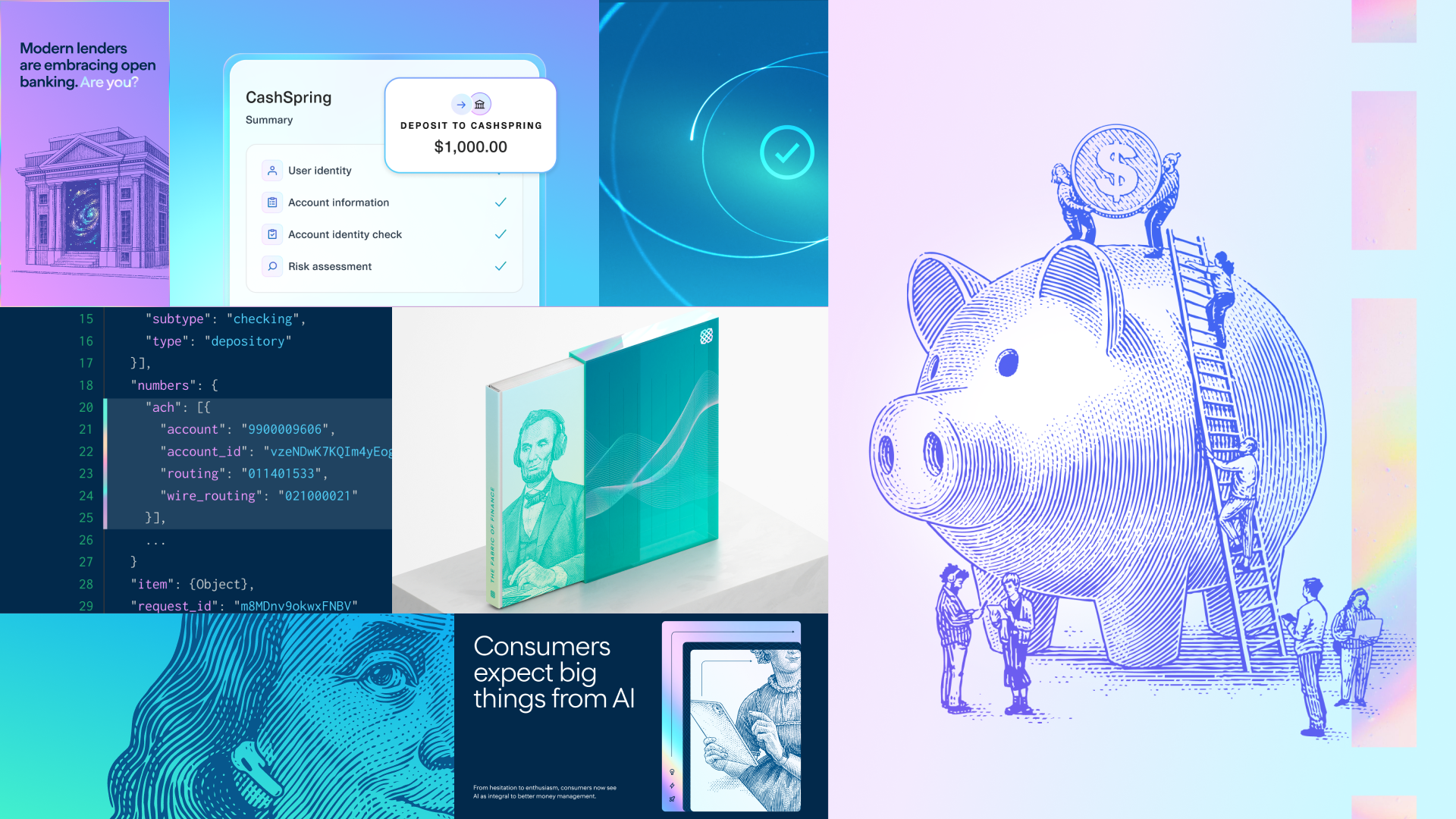
Solution: A unified platform for design, collaboration, and system management
Plaid simplified their workflow by moving everything into Figma, replacing a maze of design, prototyping, and feedback tools with a single shared platform.

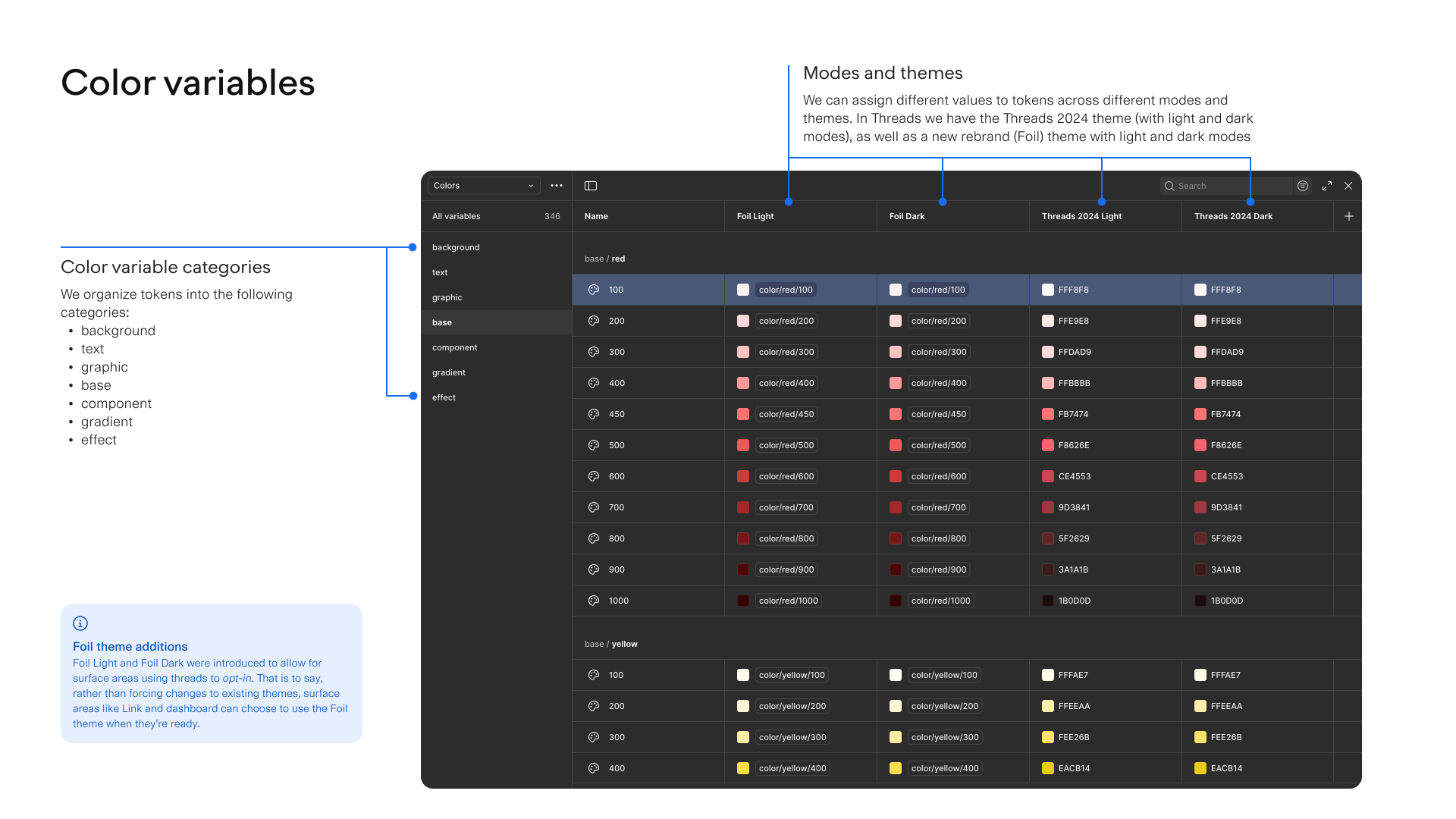
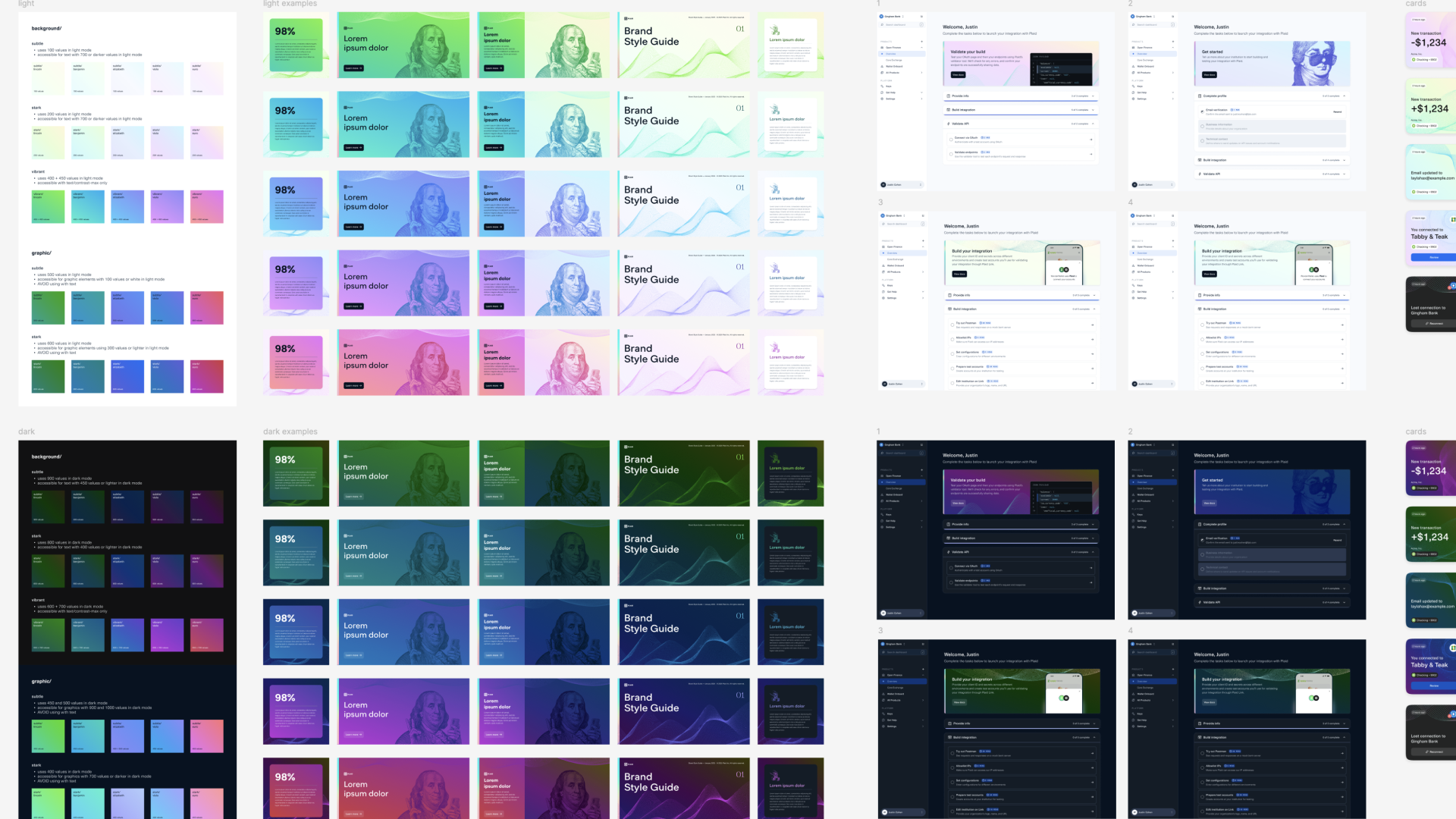
With Figma Enterprise, Plaid unlocked the flexibility needed to work at scale. Variables made it possible to test new directions, compare options, and roll out changes carefully across different product areas. Teams could shift to new color themes or visual approaches at their own pace, which reduced risk and encouraged more experimentation.

It also became easier to explore new directions for typography. Support for advanced type features helped Plaid trial new custom fonts and compare options directly inside the system they would eventually live in. Figma’s REST API streamlined parts of the design-to-code workflow, reducing manual steps and translation errors. This gave designers and engineers a cleaner path from concept to implementation.
Figma plays a key role by providing a shared space for us to exchange ideas easily. We hold shared critiques throughout the week where everyone can gather, display work, and discuss it together.
— Chris Warner, Creative Lead, Plaid
FigJam quickly became the front door for non-designers, giving everyone a way to contribute directly. It began as a space for brand workshops and quickly expanded into a collaborative hub where teams mapped campaign ideas, outlined story arcs, and shaped strategy. Marketing and sales teams could see mood boards, scripts, and early visuals come together in one canvas, and working alongside designers helped them think visually and participate more confidently.

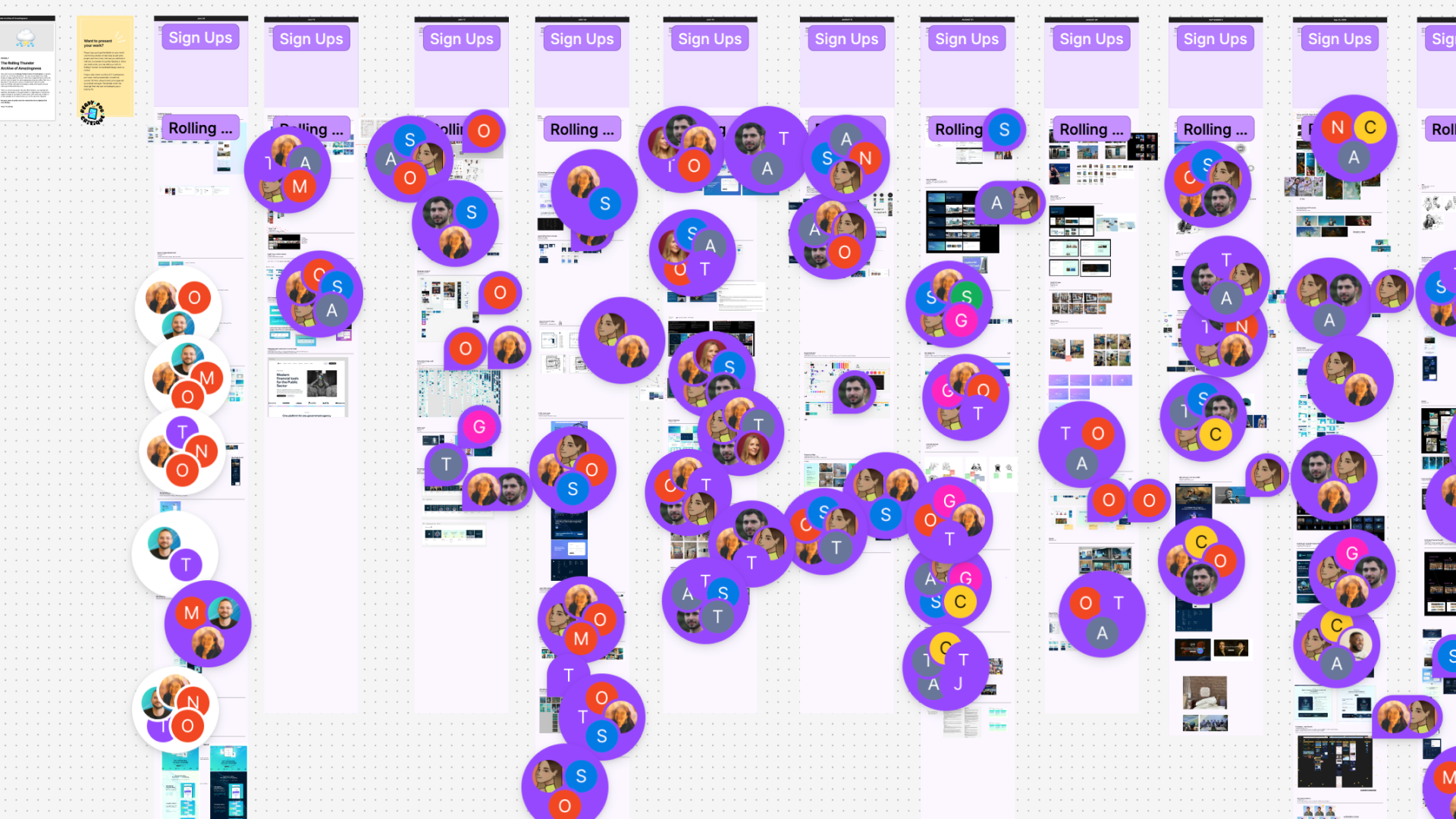
The rebrand also changed how Plaid teams worked together. Brand, product, and leadership collaborated in the same files, often in real time. Christophe described how the CEO jumped into the work directly: “He offered his time, saying, ‘I’ll get in Figma with you. Let’s do it together."
Working from a single source of truth made decision-making faster and more collaborative. “We were structuring several workshops over the course of several months, all in FigJam and Figma for our leadership team,” says Chris Warner. “We ran the entire rebrand in Figma, working closely with Ryan Smith from design systems, our head of design, our CEO, with other creatives and teams across the company.”
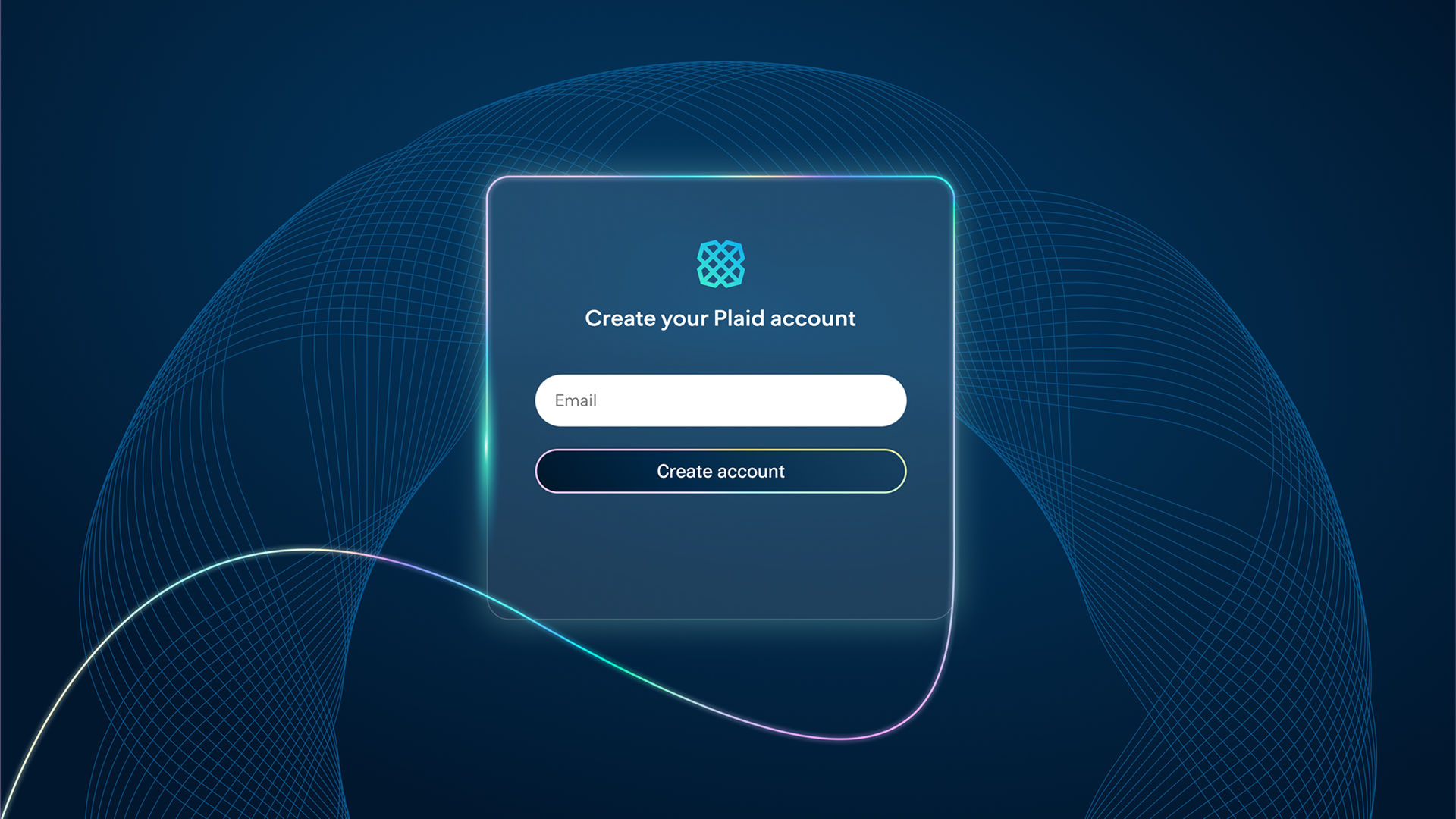
For the first time, product and design co-created a shared visual language all within Figma. Designers could prototype how the identity worked in-product, while brand teams explored how it came to life across campaigns. Every iteration happened in context, with feedback from everyone involved.

A design system that changes with shared ownership
That same spirit of collaboration fuels Plaid’s evolving design system, Threads. Rather than a static library managed by a select few, it’s a living framework built on trust and shared ownership. A small core team maintains the foundations, while designers across the company adapt and extend them for their own surfaces. The system shifted to a headless model, where shared primitives stay consistent, and product teams shape how they’re visually expressed.
To keep updates safe and efficient, Plaid mirrored engineering practices in GitHub—branching changes, assigning reviewers, and merging only after approval. Smaller, incremental updates kept the system stable while allowing steady, flexible growth.
Figma’s library analytics provides the team with a clear view of how the system works in day-to-day use. They look at which components show up most often and which ones get detached. Those patterns help the team understand where designers need more flexibility or where a new variant might be useful.
“If we see detachment patterns, we don’t assume misuse—we start a conversation,” says Ryan Smith, Design Systems Designer at Plaid.
Plaid’s shared brand and product design system is built on the idea that strong foundations create room to explore. Designers can take creative risks, test ideas, and bring their findings back to the system team, who help turn promising explorations into new standards. The result is a design language that grows with Plaid’s needs and strikes a balance between structure, freedom, and curiosity.
Breaking down walls between design, engineering, and marketing
Design and engineering used to work in parallel at Plaid, with handoffs marking a clear transition between teams. Designers prepared specs. Engineers interpreted them. Somewhere in between, intent slipped and momentum slowed.
Figma closed that gap. Reviews that once happened in silos now take place in the same files, with designers and engineers working side by side using a shared system and a common language.
With everyone working in the same space, developers now work alongside designers, not after them. Features like Code Connect allow engineers to grab production-ready snippets straight from the file, making the jump from design to code smoother and faster.
In product development, it’s important that designers and developers have a shared language. That’s becoming even more critical with LLMs. Figma’s REST API, Code Connect, and MCP server help us proactively close gaps in our design system, making the path from design to build more seamless, scalable, and consistent.
— Ryan Smith, Design Systems, Plaid
That shift reached far beyond product development. Some marketing partners now build briefs, mood boards, and campaign flows directly in Figma. Reviews are faster, more collaborative, and happen earlier in the process, creating a more connected workflow from idea to execution.
High-impact work like brand videos and conferences, scripts, visuals, and design assets now all live in one shared space. As a result, Plaid’s creative process runs the way its products do: connected, fast, and built to scale. Designers are thinking more like systems builders. Engineers are creative partners. Teams work together, not in sequence.
As the walls between teams break down, design collaboration improves significantly, especially across hybrid and remote teams. Everyone is part of the creative process, working together from wherever they are.
Scaling ad campaign creation with Figma Buzz
Plaid is exploring Figma Buzz to support its growing volume of campaign work, especially for highly targeted Account-Based Marketing (ABM) efforts. A single campaign can require 30 to 40 ad variations across six sizes, and today these large campaigns can take up to a month to design, review, and deliver.
Using Figma Buzz, the team has been building reusable templates based on proven campaign patterns, which include guardrails for layout, copy, and visual consistency. The goal is to give cross-functional partners a way to create and adapt assets on their own, without starting from scratch.
Rather than relying on designers to produce every variation, marketing teams will be able to adjust copy, swap formats, and generate new versions themselves. “If we can empower our partners to create their own ads, we’re no longer the bottleneck. They can move much faster,” says Amy Wong, Senior Creative Lead at Plaid.
This builds on an existing self-serve hub where teams already create repeatable assets, such as blog headers and preview images, in Figma. Figma Buzz introduces more structure to that workflow, making it easier to scale and use across teams.
Over time, Plaid hopes to see this approach expand beyond ad templates to other repeatable assets such as event materials and campaign visuals, bringing more teams into the creative process without sacrificing quality or consistency.
Driving progress with purpose
Plaid continues to extend their refreshed identity across every touchpoint—from product experiences to conferences and events, and even the redesign of the New York office. The team is already exploring AI in their creative process, using it to generate intricate guilloche patterns, build mood boards, expand into new art forms, and shape early campaign concepts at scale. These experiments help them move faster and explore ideas that would be difficult to produce by hand.
See how Figma can help you scale design
Great design has the potential to differentiate your product and brand. But nothing great is made alone. Figma brings product teams together in a fast and more inclusive design workflow.
Get in touch to learn more about how Figma can help companies scale design.
We’ll cover how Figma can help:
- Bring every step of the design process—from ideation, to creation, to building designs—into one place
- Accelerate design workflows with shared company-wide design systems
- Foster inclusivity in the product team process with products that are web-based, accessible, and easy to use